Cold Email Follow-Up Sequence: How Many Follow-Ups Should You Send?
Most replies come from follow-ups, not the first email. A structured cold email follow-up sequence turns ignored outreach into conversations. Here is exactly how many follow-ups to send, what to say, and when to send them.
Use the Cold Email ROI Calculator to forecast how replies, booked calls, and revenue change when you add follow-ups to your sequence.
Short answer
Most cold email campaigns should use 3 to 5 follow-ups over 2 to 4 weeks. The best sequence gives each follow-up a new reason to reply instead of repeating the first email.
Use follow-ups to increase qualified replies and booked meetings, not to pressure prospects or send the same message repeatedly.
Why Follow-Ups Matter More Than the First Email
The first email is not the most important email in your sequence. The follow-ups are.
Most people who open a cold email do not reply on the first touch. They are busy. They get distracted. They read it on mobile and tell themselves they will come back to it. The second email is often the one that turns a skim into a reply.
Data from outbound teams consistently shows that 60 to 70 percent of replies come from the second or third touch in a sequence, not the first. If you send one email and stop, you are leaving most of your potential replies on the table.
A follow-up sequence is simply a planned series of emails sent over a period of days or weeks. Each email has a different angle, a different CTA, and a reason to exist. The goal is not to annoy. The goal is to stay visible long enough for the prospect to be ready to engage.
The mistake most senders make is treating a follow-up as a copy-paste of the first email with "just checking in" at the top. That approach gets ignored. Each email in the sequence should feel like a new reason to reply.
Want to see how adding follow-ups changes your campaign numbers?
Use the free ROI calculator to compare one-email campaigns with multi-touch sequences.
Try The Free CalculatorHow Many Follow-Ups Should You Send?
The short answer is 3 to 5 follow-ups over a window of 2 to 4 weeks. Beyond 5 touches, the reply rate per email drops sharply, and the risk of being marked as spam increases.
Here is what the data looks like across most B2B outbound campaigns:
The exact number depends on your industry, audience, and offer. If you sell high-ticket B2B services, a longer sequence with more touches may work. If you sell a low-cost product, 2 to 3 emails might be enough. The principle is the same: stop sending when replies drop below your minimum acceptable reply rate.
The Ideal Cold Email Follow-Up Cadence
Timing matters as much as the message. If you follow up too fast, you look desperate. If you wait too long, the prospect forgets who you are. A balanced cadence gives the prospect room to consider your offer without feeling pressured.
A standard cadence that works across most industries:
- Day 1: First email. Introduce yourself, state the value, ask one question.
- Day 3: Follow-up 1. Reference the first email. Add a new angle or observation.
- Day 7: Follow-up 2. Share a relevant case study, result, or insight.
- Day 14: Follow-up 3. Offer a direct meeting or proposal with low friction.
- Day 21: Follow-up 4. The breakup email. Polite, respectful, door left open.
You can compress this timeline if your sales cycle is shorter or stretch it if you sell to enterprise accounts where decisions take months. The key is to maintain a consistent pace so the prospect knows when to expect your emails and does not feel bombarded.
Run your outbound numbers through the calculator
See how different follow-up sequences change your projected replies, booked calls, and revenue.
Use The Cold Email CalculatorBuilding a cold email tool or agency dashboard?
Use the ColdMail API to forecast replies, meetings, clients, revenue, and ROI from campaign assumptions.
Explore the ColdMail APIFollow-Up Email Templates That Work
These templates follow the cadence above. Personalize the bracketed sections with real details about the prospect or their company. Do not send them as-is.
Email 1: Initial Outreach
Short, specific, one question.
Hi [Name],
I saw that [Company] is doing [specific initiative or growth area]. I work with [industry] companies to help them [specific result].
Quick question: are you currently focused on improving [specific metric or outcome]?
Best,
[Your name]
Email 2: New Angle (Day 3)
Add a different value proposition.
Hi [Name],
Following up on my email from a few days ago. I thought you might find this relevant — [one-sentence case study or observation about their space].
Do you have 5 minutes to discuss how this could apply to [Company]?
Best,
[Your name]
Email 3: Social Proof (Day 7)
Share a specific result.
Hi [Name],
Quick update: we recently helped [similar company] achieve [specific result] by [specific approach].
I am not sure if that is relevant to what [Company] is working on right now, but happy to share more if you are interested.
Best,
[Your name]
Email 4: Direct Offer (Day 14)
Clear, low-friction meeting offer.
Hi [Name],
I know you are busy, so I will keep this short. I believe we can help [Company] achieve [specific result] in [timeframe].
Would you be open to a 15-minute call this week to see if there is a fit? No pitch if it does not make sense.
Best,
[Your name]
Email 5: Breakup (Day 21)
Polite, respectful, door open.
Hi [Name],
I assume the timing is not right, and that is fine. If your priorities change down the road, feel free to reach out anytime.
Wishing you and [Company] a great [quarter/season].
Best,
[Your name]
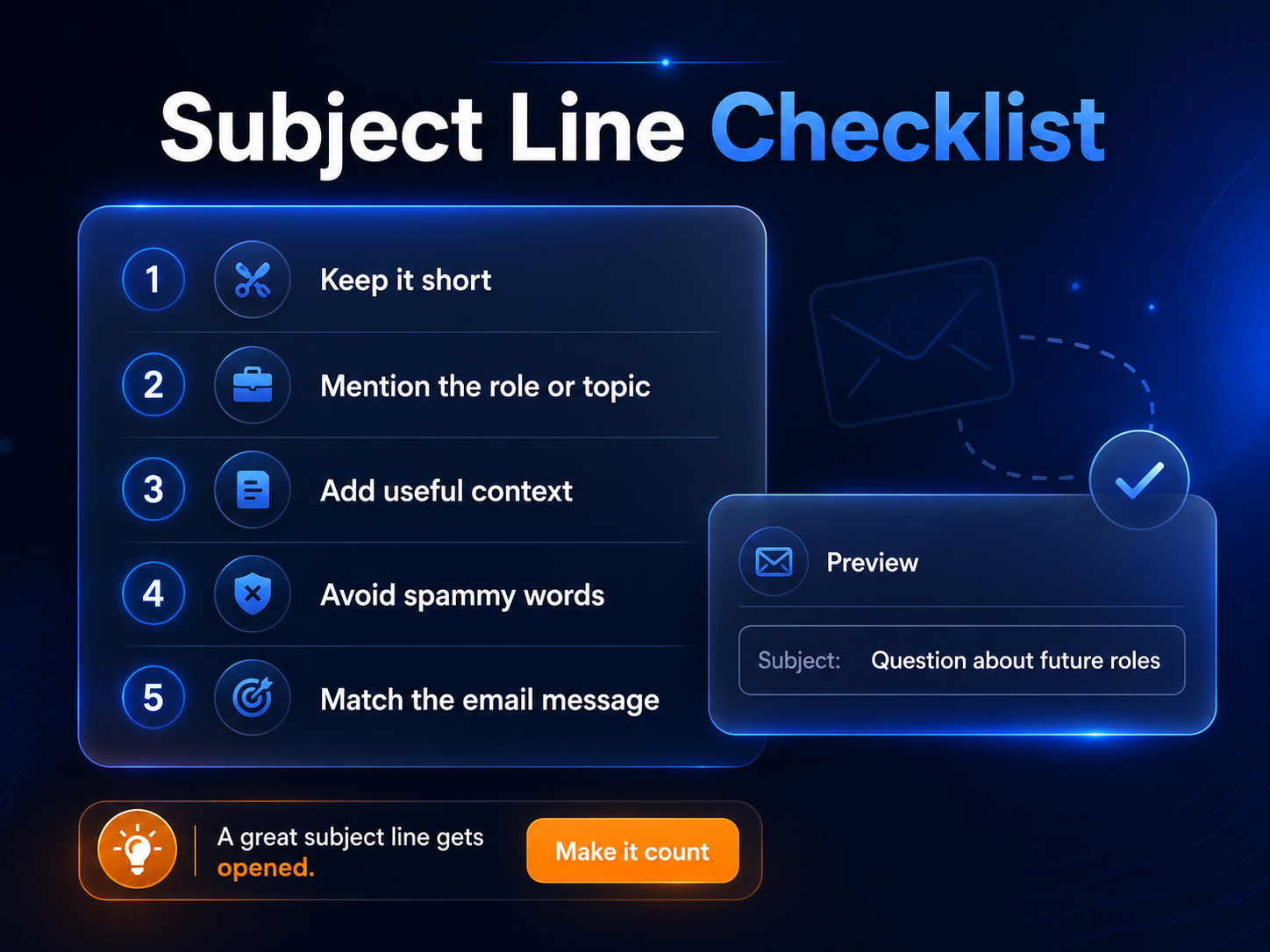
Common Follow-Up Mistakes
Most outbound teams make at least one of these errors. Fixing them can double your reply rate without sending more emails.
- Sending the same email twice. Your second email should not say "following up" with the same body text. Change the angle, subject line, and CTA.
- Following up too fast. One email per day is the maximum. More than that feels like spam and increases unsubscribe rates.
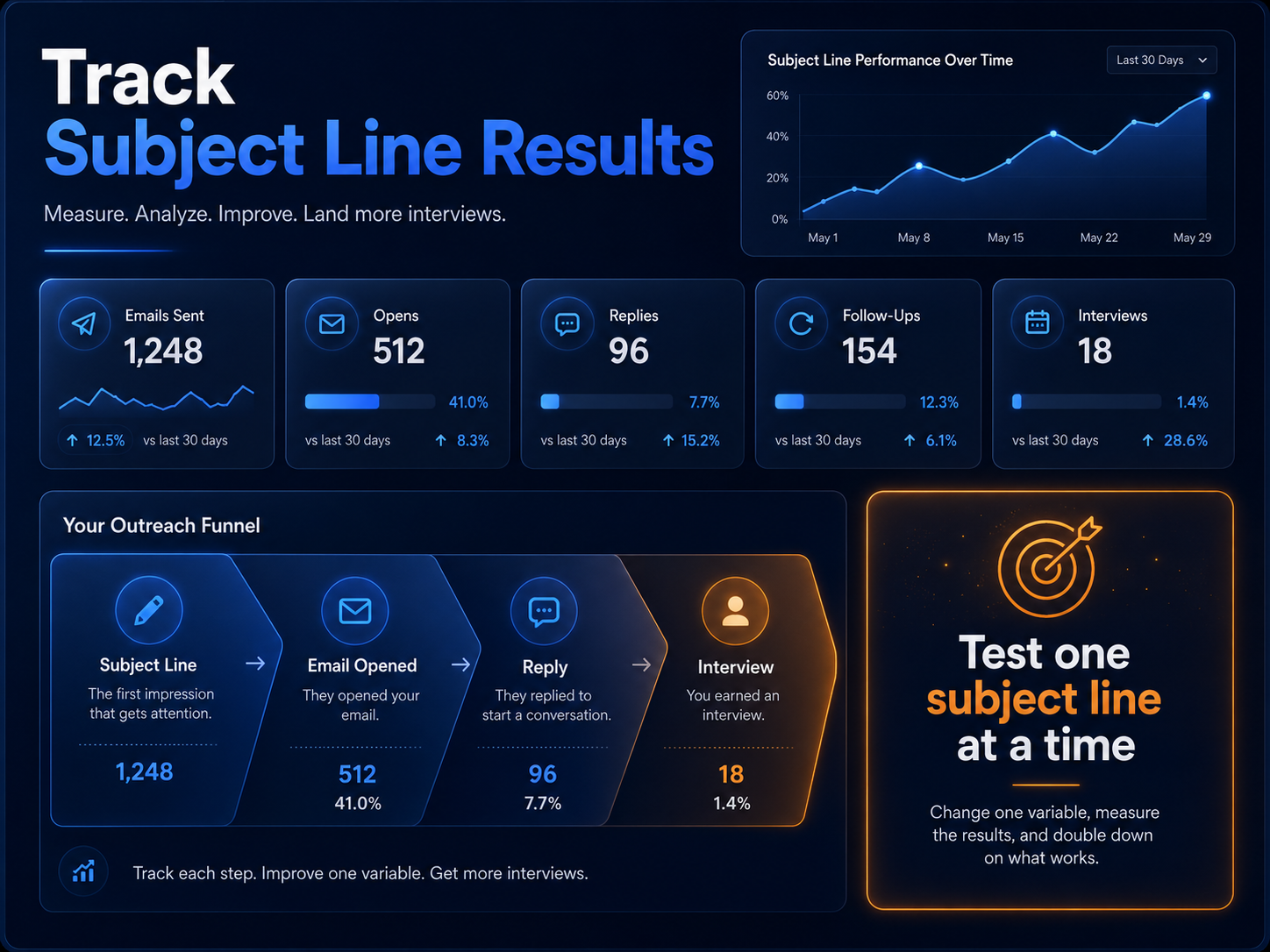
- Not tracking reply rate per email. If you do not know which email in your sequence gets the most replies, you cannot optimize. Use a spreadsheet or CRM to track each touch.
- Giving up after one follow-up. Most replies come from email 2 or 3. If you stop at email 2, you miss the peak reply window.
- Making every CTA the same. If every email asks for a call, the sequence feels repetitive. Vary the CTA: ask a question, share a resource, offer a case study, then propose a call.
- Forgetting to personalize. Generic follow-ups get generic results. Reference something specific about the prospect's company, role, or recent activity in each email.
Model Your Follow-Up Sequence ROI
Every additional follow-up changes your campaign math. The Cold Email ROI Calculator helps you see exactly how replies, booked calls, clients, and revenue change when you add touches to your sequence.
Here is a realistic example. A campaign with these inputs:
- 1,000 emails sent
- 8% reply rate on the first email
- 12% reply rate on the second email (new angle)
- 8% reply rate on the third email (social proof)
- 30% positive reply rate
- 40% booking rate from positive replies
- 25% close rate from booked calls
- $2,000 average deal size
A single-email campaign at 8% reply rate produces roughly 80 replies. Adding two more follow-ups at declining reply rates can push total replies past 200 and projected revenue from roughly $4,800 to over $12,000. The extra emails cost nothing to send, so the ROI increase is pure leverage.
Enter your actual numbers into the calculator to see what your sequence is worth. The difference between one email and a structured 5-email sequence is often the difference between a campaign that loses money and one that generates consistent pipeline.
Calculate your cold email sequence ROI
Enter your metrics and see how follow-ups change your campaign outcomes.
Try The Free CalculatorFAQ
How many follow-up emails should I send in a cold email sequence?
Most data shows 3 to 5 follow-ups over 2 to 4 weeks works well. The first reply typically comes after the second or third touch. Going beyond 5 follow-ups usually creates diminishing returns unless the prospect has engaged.
How long should I wait between cold email follow-ups?
A common cadence is day 1, day 3, day 7, day 14, and day 21. This gives prospects time to see your message without feeling pressured. Adjust based on your industry and the prospect's buying cycle.
What should I say in a cold email follow-up?
Each follow-up should offer something new: a different angle, a relevant case study, a specific observation, or a helpful resource. Do not just resend the same message with "following up." Add value or ask a different question each time.
Do cold email follow-ups actually work?
Yes. Most replies come from follow-ups, not the first email. Data consistently shows that 60-70% of replies happen after the second or third touch. A well-structured follow-up sequence is one of the highest-leverage improvements you can make to an outbound campaign.
Should I include a CTA in every follow-up?
Yes, but vary it. The first email might ask a discovery question. The second follow-up could offer a relevant case study. The third might propose a short call. The final follow-up can be a polite breakup email that leaves the door open.
What is the best day of the week to send cold email follow-ups?
Tuesday, Wednesday, and Thursday mornings consistently perform best for B2B cold email. Monday inboxes are crowded from the weekend, and Friday afternoons have low engagement. Send your follow-ups midweek for the best open and reply rates.